Official Announcement: Warga Jakarta Diminta Waspada Hantavirus dari Kotoran Tikus

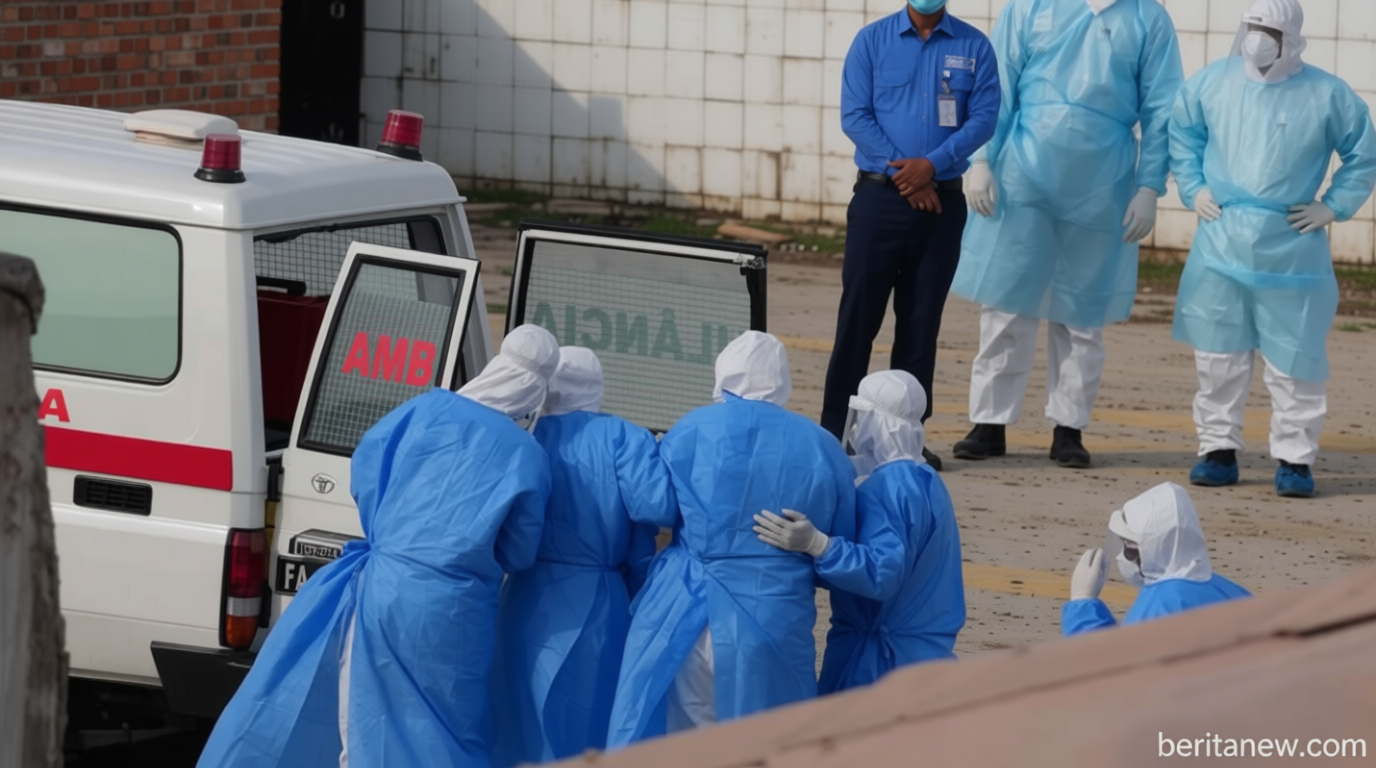
Official Announcement: Jakarta Residents Urged to Be Vigilant Against Hantavirus from Rat Droppings
Beritanew.com – Official Announcement: The Jakarta Health Office (Dinkes DKI Jakarta) has issued a critical alert urging citizens to remain cautious about the Hantavirus, which can spread through rat droppings. This warning comes amid growing concerns over the potential for outbreaks in the city, especially after recent cases linked to rodent contact. Health authorities emphasize the importance of proactive measures to reduce the risk of infection, highlighting that the virus is a serious threat that requires immediate attention from the public.
Transmission Risks and Preventive Measures
According to the head of Dinkes DKI Jakarta, Ani Ruspitawati, the Hantavirus spreads via airborne particles mixed with dried rat saliva or urine. “When cleaning areas where rats are present, the risk of infection increases because these particles can be inhaled by humans,” she stated in an interview with local media on Tuesday (19/5/2026). To prevent transmission, residents are advised to spray disinfectant before cleaning up rat droppings. This step is crucial to neutralize the virus and avoid accidental exposure.
“Ventilation must be adequate. Do not clean dry areas—first apply disinfectant to ensure safety,” Ani emphasized.
Household bleach, for instance, can serve as a simple disinfectant. Ani reiterated that regular handwashing with soap and running water remains essential in preventing the virus from entering the body. Additionally, she urged residents to avoid touching contaminated surfaces without gloves and to promptly report suspected rat infestations in their neighborhoods.
Current Outbreak and Monitoring Efforts
Dinkes DKI Jakarta has recorded three confirmed cases of Hantavirus and six suspected cases under investigation. A formal notice about the virus’s threat has been distributed to all health facilities in the city to ensure preparedness. The health office is also collaborating with local authorities to monitor rat populations and identify high-risk areas. Public awareness campaigns are being intensified to educate citizens on the symptoms and early signs of the virus, such as fever, muscle pain, and respiratory issues.
Health experts note that the Hantavirus primarily spreads from rodents to humans, not between people. It belongs to the Orthohantavirus genus, commonly carried by rats and other rodents. While not all rats carry the virus, the potential for transmission increases in environments with poor sanitation and high rodent activity. The official announcement underscores the need for communities to take preventive actions to minimize the likelihood of infection.
Comprehensive Guidelines for Public Safety
Residents are advised to maintain cleanliness in their homes and workplaces, particularly in areas prone to moisture. Damp environments are ideal for rat breeding and can exacerbate the risk of Hantavirus outbreaks. The official announcement recommends sealing gaps in walls and floors to prevent rats from entering living spaces. Furthermore, it highlights the importance of regular waste management to eliminate food sources that attract rodents.
Public health officials are also distributing informational materials in local languages to ensure accessibility. These resources explain how to identify rat droppings, the symptoms of Hantavirus, and steps to take if exposure occurs. The official announcement has been amplified through social media platforms and community meetings to reach a wider audience and reinforce awareness. With the rainy season approaching, these measures are even more critical to prevent a surge in cases.
Collaboration with Global Health Organizations
The Jakarta Health Office has aligned its efforts with guidelines from the World Health Organization (WHO) to address the Hantavirus threat. WHO has warned that rodent-borne diseases like Hantavirus can rapidly spread in urban areas if not controlled. The official announcement includes recommendations from international health bodies, such as maintaining hygiene in public spaces and conducting regular inspections of housing units. These steps aim to create a unified response to the health crisis and ensure effective containment strategies.
Authorities are also coordinating with environmental agencies to improve drainage systems and reduce stagnant water, which serves as a breeding ground for rats. The official announcement has been integrated into city-wide health protocols, ensuring that all sectors, including schools and hospitals, are prepared to handle potential outbreaks. By combining local knowledge with global health standards, Jakarta is taking a proactive approach to safeguard its citizens from the Hantavirus.