PMI Jakpus Gerak Cepat Tangani Pengungsi Kebakaran Kemayoran, Siapkan Bantuan Medis dan Tenda

What Happened During the Massive Fire in Pasar Jiung, Kemayoran, Jakarta Pusat
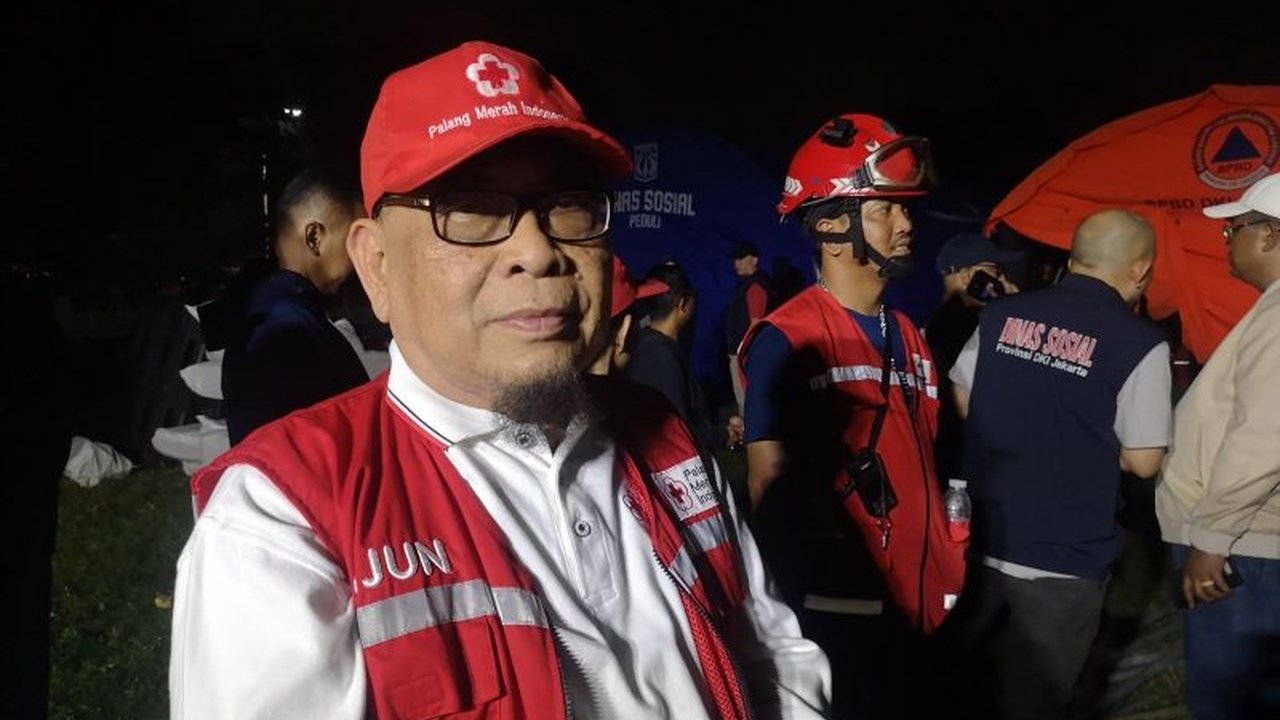
Beritanew.com – The catastrophic fire at Pasar Jiung in Kemayoran, Jakarta Pusat, on Monday night, PMI Jakarta Pusat immediately launched emergency operations to support the victims. The incident, which destroyed hundreds of homes in the densely populated area, left thousands of residents homeless and in urgent need of assistance. In response, PMI swiftly deployed medical teams and emergency shelters to ensure immediate aid and safety for the displaced community.
Ketua PMI Jakarta Pusat, Asep Djuanda, stated that two ambulances were dispatched to the scene following the initial reports of the fire.
PMI’s Rapid Deployment: Medical Aid and Emergency Tents
What Happened During the early stages of the disaster, PMI Jakarta Pusat prioritized providing medical support and temporary housing to the affected residents. The organization set up emergency tents in the vicinity to offer shelter and basic comfort to the evacuees. These tents served as critical infrastructure during the crisis, helping to prevent further exposure to harsh weather conditions. At the same time, medical personnel remained on standby to address injuries and health concerns, ensuring that the victims received prompt attention. The setup of these facilities underscored PMI’s commitment to addressing both physical and psychological needs in the aftermath of the fire.
What Happened During the coordination between PMI and local authorities, the organization worked closely with the Dinas Sosial DKI Jakarta to streamline relief efforts. This collaboration was essential in managing the flow of resources and ensuring that the displaced residents had access to food, water, and essential supplies. By dividing responsibilities—PMI handling nighttime medical operations while Dinas Sosial managed daytime logistics—both teams could respond efficiently to the evolving situation. The synergy between these groups allowed for a more organized and effective response, which was vital in stabilizing the emergency.
Comprehensive Support: Addressing Immediate and Long-Term Needs
What Happened During the following days, PMI Jakarta Pusat continued its efforts to monitor the health conditions of the evacuees and prepare for extended aid. The organization emphasized the importance of trauma recovery, particularly for children, as part of its long-term strategy. Asep Djuanda noted that his team had been stationed at Lapangan Jusuf Hamka since Tuesday morning, demonstrating PMI’s persistent dedication to the affected population. This proactive approach ensured that both immediate relief and psychological support were integrated into the overall response.
What Happened During the logistical operations, the coordination between PMI and Dinas Sosial proved indispensable. By organizing the distribution of food and supplies during the night, PMI helped maintain continuity in aid efforts, while the government agency handled daytime tasks to prevent bottlenecks. This division of labor allowed for a more sustained and efficient provision of resources, which was crucial in supporting the large number of displaced residents. The collaboration also included the establishment of temporary kitchens and supply depots, further enhancing the accessibility of essential items.
What Happened During the initial assessment of the damage, PMI Jakarta Pusat confirmed that the fire had caused extensive destruction, prompting the need for additional measures. Beyond medical aid and shelter, the organization focused on creating a safe environment for the evacuees by maintaining hygiene standards and providing clean drinking water. These efforts were aimed at preventing secondary health issues that could arise from the chaotic conditions. The rapid deployment of resources highlighted PMI’s readiness to tackle large-scale emergencies, ensuring that the community’s basic needs were met without delay.
What Happened During the ongoing crisis, the government and PMI continued to evaluate the situation and adjust their strategies accordingly. The organization’s presence in the field was a testament to its ability to adapt to dynamic challenges, such as fluctuating weather or increased numbers of evacuees. By maintaining constant communication with rescue teams and local leaders, PMI ensured that the support provided aligned with the most pressing requirements. The continuous efforts underscored the importance of a unified response in mitigating the impact of such disasters on the community.